 Tiếng anh
 Vietnam
Building an HSE Occupational Health Management System: Where to Start? | Wellbeing
In an era where enterprises are increasingly prioritizing sustainable development, HSE occupational health management is no longer an optional choice but a mandatory requirement. An effective HSE (Health, Safety, Environment) system helps businesses prevent occupational accidents and diseases, mitigate legal risks, and elevate their brand reputation.
So, where should an enterprise begin to build a systematic and highly efficient HSE health management system?
An HSE-standard health management system is actualized through four continuous phases: Planning, Implementation, Monitoring, and Evaluation. This is the first and most critical step for an enterprise to cultivate a professional workplace safety culture.
1. What is an HSE Management System?
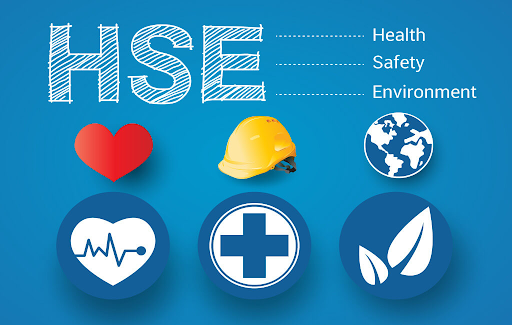
HSE stands for Health, Safety, and Environment. Building an HSE health management system is the process of establishing a formal administrative framework to seamlessly integrate these three elements into all production and business operations.
Within the corporate HSE management model, the objective is not only to minimize human risks but also to control economic losses and protect the environment. This system ensures strict compliance with occupational safety, health, and environmental laws while fostering a safe and wholesome workplace.
The most universally adopted standards when building an HSE health management system include ISO 9001 (Quality Management), ISO 14001 (Environmental Management), and most notably, ISO 45001 (Occupational Health and Safety Management).
2. What Role Does HSE Play in a Business?
HSE is not merely a function responsible for workplace safety. It also serves as a link between employee health, operational safety, and environmental responsibility throughout an organization’s activities. A well-developed HSE system helps businesses proactively identify hazards, assess risks, prevent occupational accidents and diseases, and control environmental impacts arising from production and business operations.
In terms of occupational health and safety, ISO 45001 emphasizes leadership commitment, worker participation, hazard identification, risk assessment, emergency preparedness, incident investigation, and continual improvement. These are also key elements that help integrate HSE into the overall corporate management system rather than limiting it to routine safety inspections.
From an environmental perspective, ISO 14001 requires organizations to manage environmental aspects systematically, control impacts, fulfill compliance obligations, and continuously improve environmental performance. HSE therefore also helps businesses balance operational efficiency with long-term sustainability goals.
3. Core Steps to Build an HSE Health Management System
To construct an HSE health management system methodically and effectively, enterprises cannot implement isolated, fragmented activities. Instead, a systemic approach is required, grounded in the following 5 core steps to ensure sustainability and continuous improvement.
3.1. Assess the Current Status and Occupational Health Risks
The foundational step is conducting a comprehensive assessment of the current work environment. Enterprises must survey all factors potentially affecting workers' health, including physical hazards (noise, extreme temperatures, radiation), chemical hazards (dust, toxic gases, solvents), biological hazards (bacteria, mold), ergonomic factors (awkward postures, repetitive motions), and psychosocial hazards (workplace pressure, prolonged shifts).
This assessment must go beyond mere observation; it requires precise measurement, sampling, and data analysis. In HSE health management, this evidence-based data serves as the bedrock for determining risk levels, prioritizing control measures, and formulating preventive plans, rather than relying on subjective intuition.
3.2. Develop a Clear and Committed Health Policy
Following risk identification, the enterprise must issue an occupational health policy to serve as the guiding compass for the entire system. During the development phase, this policy must explicitly reflect the leadership's unwavering commitment to protecting employee health and ensuring legal compliance.
A policy is not merely an administrative document; it must be deeply integrated into the overarching business strategy, linking directly to performance metrics and sustainable development goals. In the corporate HSE model, executive commitment dictates the allocation of resources, the rigor of supervision, and the seriousness of practical implementation.
3.3. Establish Health Management and First Aid Procedures
A system only operates effectively with crystal-clear procedures. Therefore, enterprises must standardize protocols for tracking health records, managing occupational diseases, handling workplace accidents, and deploying on-site first aid.
The first aid procedure must clearly designate the personnel in charge, the necessary medical equipment, and the emergency contact protocols for medical facilities. Simultaneously, the incident reporting system must ensure absolute transparency, enabling root cause analysis and the proposal of corrective actions. In HSE management, standardized procedures are the vital tools that transform executive commitments into tangible, controllable actions.

Application of HSE in workplace safety and health management
3.4. Conduct Training to Enhance Awareness and Personnel Capacity
Training is the central pivot determining the success of an HSE health management system. The workforce must be equipped with the knowledge to identify hazards, the skills to execute preventive measures, and the capability to respond swiftly during emergencies.
Crucially, training should not be limited to physical safety; it must encompass mental health, stress management, and the cultivation of safe working habits. Proper training translates rigid regulations into voluntary behaviors, thereby forging a sustainable safety culture that thrives independently of constant supervision.
3.5. Organize Health Check-ups and Continuous Improvement Monitoring
The final step to maintain and perfect the system is organizing periodic health check-ups and establishing a mechanism for continuous monitoring and improvement. Enterprises must conduct pre-employment screenings, periodic health exams, and occupational disease screenings tailored to specific job characteristics.
The collected health data must be meticulously analyzed to identify trends, evaluate the efficacy of current control measures, and adjust policies when necessary. In HSE management, continuous improvement driven by the PDCA (Plan – Do – Check – Act) cycle ensures the system never stagnates at mere compliance, but consistently evolves to optimize worker protection.
4. What Is the Role of Leadership in an HSE System?
An HSE system is unlikely to operate effectively if responsibility is assigned only to one employee or a single department. Leadership involvement plays a decisive role in allocating resources, developing policies, setting objectives, and ensuring that departments fulfill their responsibilities.
Management should demonstrate commitment through specific actions such as investing in safety equipment, allocating budgets for training, monitoring HSE indicators, and requiring identified hazards to be corrected.
When HSE is incorporated into routine management activities, occupational health and safety requirements are more likely to be implemented effectively in practice.

5. Common Mistakes When Building an HSE System
One common mistake is developing an HSE system mainly to complete documentation requirements without sufficiently connecting it to actual workplace activities.
Superficial risk assessments, training that does not match specific job roles, limited employee participation, failure to follow up on corrective actions, and failure to analyze the root causes of incidents can all reduce the effectiveness of an HSE system.
An effective system should be designed so that employees can understand it, use it, and apply it in their daily work.
Conclusion
Building an HSE health management system is not simply about completing forms or developing safety procedures. It is an ongoing management process designed to identify hazards, protect employee health, reduce accidents, and control environmental impacts.
An effective HSE system requires leadership commitment, employee participation, clear procedures, appropriate training, and mechanisms for regular monitoring and continual improvement.
When HSE is integrated into daily operations, businesses can not only reduce risks and operational disruptions but also build a safer, more responsible, and more sustainable working environment over the long term.
Comments:
There are no comment for this news.

.png)
.png)